
Tabletop Automatic Laser Welder for Sale
The Smart Investment Every Precision Workshop Needs
Whether you’re fabricating stainless steel components, producing jewelry, assembling electronic parts, or manufacturing custom metal products, a tabletop automatic laser welder offers an impressive combination of automation and accuracy. It’s small enough to fit into limited workspaces yet powerful enough to compete with much larger industrial systems.
What Is a Tabletop Automatic Laser Welder?
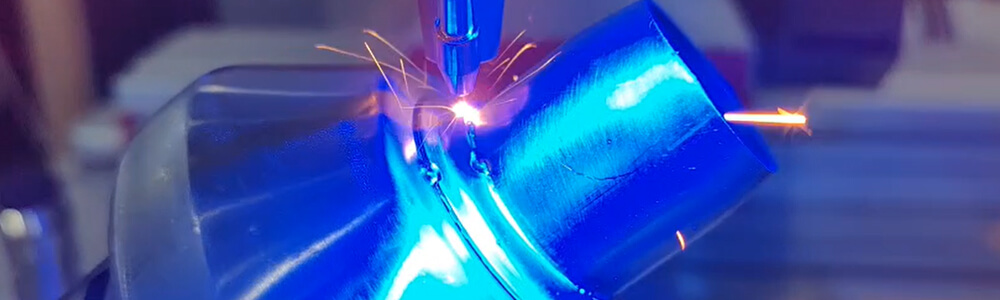
A tabletop automatic laser welder is a compact laser welding system designed to perform precise, repeatable welding operations on small to medium-sized metal components. Unlike traditional TIG or MIG welding, laser welding uses a concentrated beam of light to fuse materials together with minimal heat distortion.
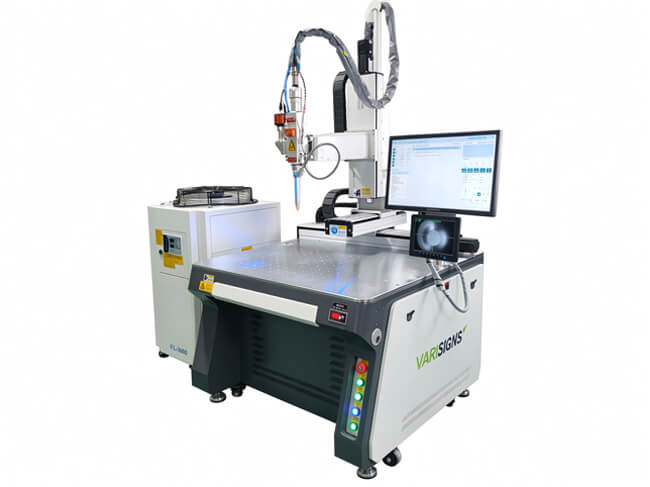
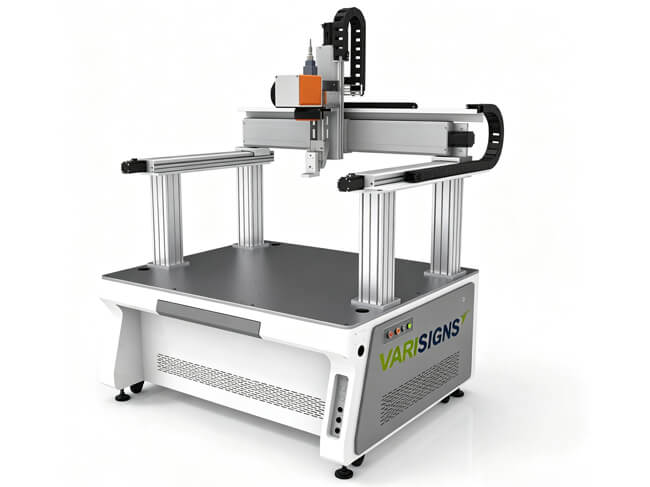
Major Advantages Include
- Exceptional welding accuracy
- Minimal heat-affected zones
- Reduced polishing and grinding
- Faster production cycles
- Lower material waste
- Easy operation with programmable settings
- Compact footprint for small workshops
Industries That Benefit the Most
- Control panels
- Electrical cabinets
- Kitchen equipment
- Decorative metal furniture
- Architectural metal pieces
- Automobile manufacturing
- Pillow plate heat exchanger
- Medical equipment
- More precision parts
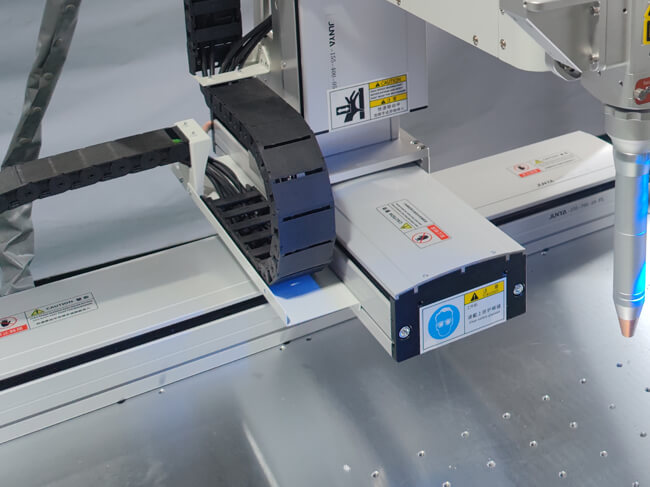
Key Features You Should Never Ignore
- High-Precision Fiber Laser Source – The laser source is the heart of the machine. Reliable laser performance means fewer interruptions and more consistent weld quality.
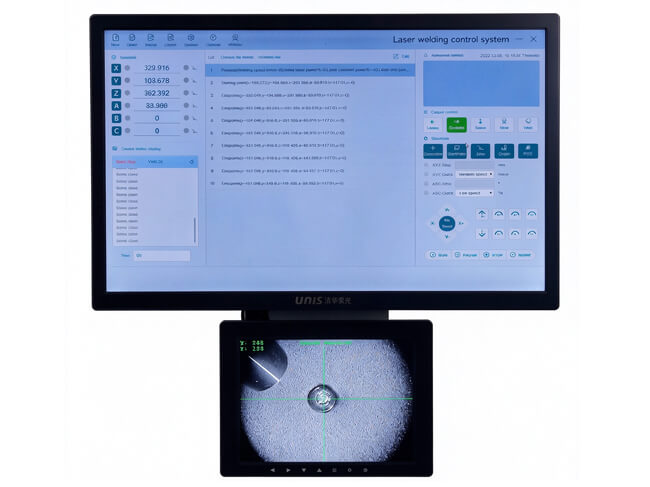
- Intelligent Automatic Programming – Modern systems often include intuitive software that allows operators to create welding paths with minimal training. Programming complex shapes shouldn’t feel like solving a puzzle.
- Vision Monitoring System – An integrated microscope or HD camera dramatically improves positioning accuracy. Seeing the weld in real time makes all the difference.
- Adjustable Worktable – A flexible worktable accommodates products of various sizes and shapes. Greater flexibility means fewer fixtures and faster setup times.
Technical Parameters
| Model | GY-WF1500A | GY-WF2000A | GY-WF3000A |
| Laser Power | 1500W | 2000W | 3000W |
| Laser Source | Fiber Laser MAX/RAYCUS | ||
| Laser wavelength | 1080nm fiber laser | ||
| Laser Mode | Continuous Mode & Pulsed Mode | ||
| Pulse Width | 0.2~50ms | ||
| Pulse Frequency | 1~5000Hz | ||
| Welding Spot Diameter | 0.2~5.0mm adjustable | ||
| Driving System | Ballscrew Servo Drive (XYZ axes) | ||
| Worktable Size | 800x400x400mm (31.5”x15.8”x15.8”) or customizable | ||
| Observing System | CCD and touchscreen | ||
| Cooling Mode | Industrial Water Chiller | ||
| Welding Head | Double wobble laser head with touchscreen | ||
| Welding Depth | Aluminum up to 5mm, steel up to 9mm | ||
| Gas Required | Argon or Nitrogen | ||
| Power Consumption | 6KW | 7KW | 9KW |
| Power Requirement | Single phase 220V ±10%, 40A | 3-phase 380V ±10%, 60A | |
| Packing Size | 1850*1250*1350mm | ||
| Gross Weight | 530KG (1168lbs) | ||
Automatic Laser Welding vs Traditional Welding
| Features | Automatic Laser Welder | TIG/MIG Welder |
| Precision | Excellent | Moderate |
| Heat distortion | Very low | Higher |
| Welding speed | Fast | Moderate |
| Finishing work | Minimal | Often required |
| Automation | Yes | Limited |
| Material waste | Low | Higher |
| Learning curve | Easier with software | Skill dependent |
Tips for Getting the Best Welding Results
Even advanced machines perform better when operators follow good practices.
Preparation Matters
Always clean the material before welding.
Remove:
- Oil
- Dust
- Oxidation
- Paint residue
- Protective films
Clean surfaces produce stronger, cleaner welds.
Optimize Parameters
Experiment with:
- Pulse frequency
- Laser power
- Welding speed
- Spot diameter
- Shielding gas flow
Small adjustments often produce dramatic improvements.
Secure the Workpiece
Movement during welding leads to inconsistent joints.
Use fixtures whenever possible to maintain perfect alignment.
How Small Workshops Compete with Large Factories
Here’s something fascinating.
Many successful fabrication businesses aren’t massive factories—they’re efficient workshops with smart equipment.
A tabletop automatic laser welder helps smaller manufacturers compete by offering:
- Professional-quality welds
- Faster turnaround times
- Lower labor dependence
- Flexible custom production
- Reduced operating costs
Instead of hiring multiple specialized welders, one trained operator can efficiently manage automated production.
That’s a huge competitive advantage.
Maintenance Isn’t Nearly as Difficult as You Think
People often assume laser equipment requires constant maintenance. Thankfully, that’s largely a myth.
Daily Maintenance
- Wipe optical windows
- Clean the worktable
- Remove metal debris
- Check gas connections
Weekly Inspection
- Verify cooling performance
- Inspect fixtures
- Test emergency stop
- Review welding calibration
Monthly Care
- Clean ventilation filters
- Inspect laser cables
- Update software if available
- Lubricate moving components
A consistent maintenance routine helps maximize machine lifespan and welding stability.
Signs It’s Time to Upgrade Your Welding Equipment
Still relying on older welding methods? Here are some clues that it’s time to upgrade.
You’re Spending Too Much Time Polishing
If every product needs extensive finishing, laser welding can dramatically cut cleanup time.
Customers Demand Better Appearance
Modern consumers expect flawless metal products. Clean weld seams improve both aesthetics and perceived quality.
Production Orders Keep Growing
Manual welding becomes a bottleneck as demand increases. Automation helps scale production without sacrificing consistency.
Skilled Welders Are Hard to Find
Labor shortages affect manufacturers worldwide. Automated equipment reduces dependence on highly specialized manual skills.
Questions to Ask Before Purchasing
Before saying, “This is the one!” ask the supplier these important questions:
- What materials can the machine weld?
- What’s the maximum welding thickness?
- Is operator training included?
- Does the software support custom welding paths?
- What’s covered under warranty?
- How quickly are spare parts available?
- Is remote technical support provided?
These answers reveal much more than the product brochure ever will.
Frequently Asked Questions
Is a tabletop automatic laser welder suitable for aluminum?
Yes. Many tabletop fiber laser welders are specifically designed for aluminum, including channel letters and precision sheet metal components. Proper parameter settings ensure strong, attractive welds.
Can beginners operate an automatic laser welder?
Absolutely. Modern machines feature touchscreen interfaces, visual programming, and stored welding presets, making operation much easier than traditional manual welding.
How much workshop space does it require?
Most tabletop models occupy only a small footprint, making them ideal for compact fabrication shops, sign studios, jewelry workshops, and small manufacturing facilities.
Does laser welding completely replace TIG welding?
Not entirely. TIG remains valuable for certain applications, but automated laser welding excels in high-precision, repetitive production where speed and consistency are priorities.
How long does a fiber laser source typically last?
Quality fiber laser sources often provide tens of thousands of operating hours, making them a durable long-term investment when properly maintained.

